Winter edit — new specimens
Stones that hold a room.
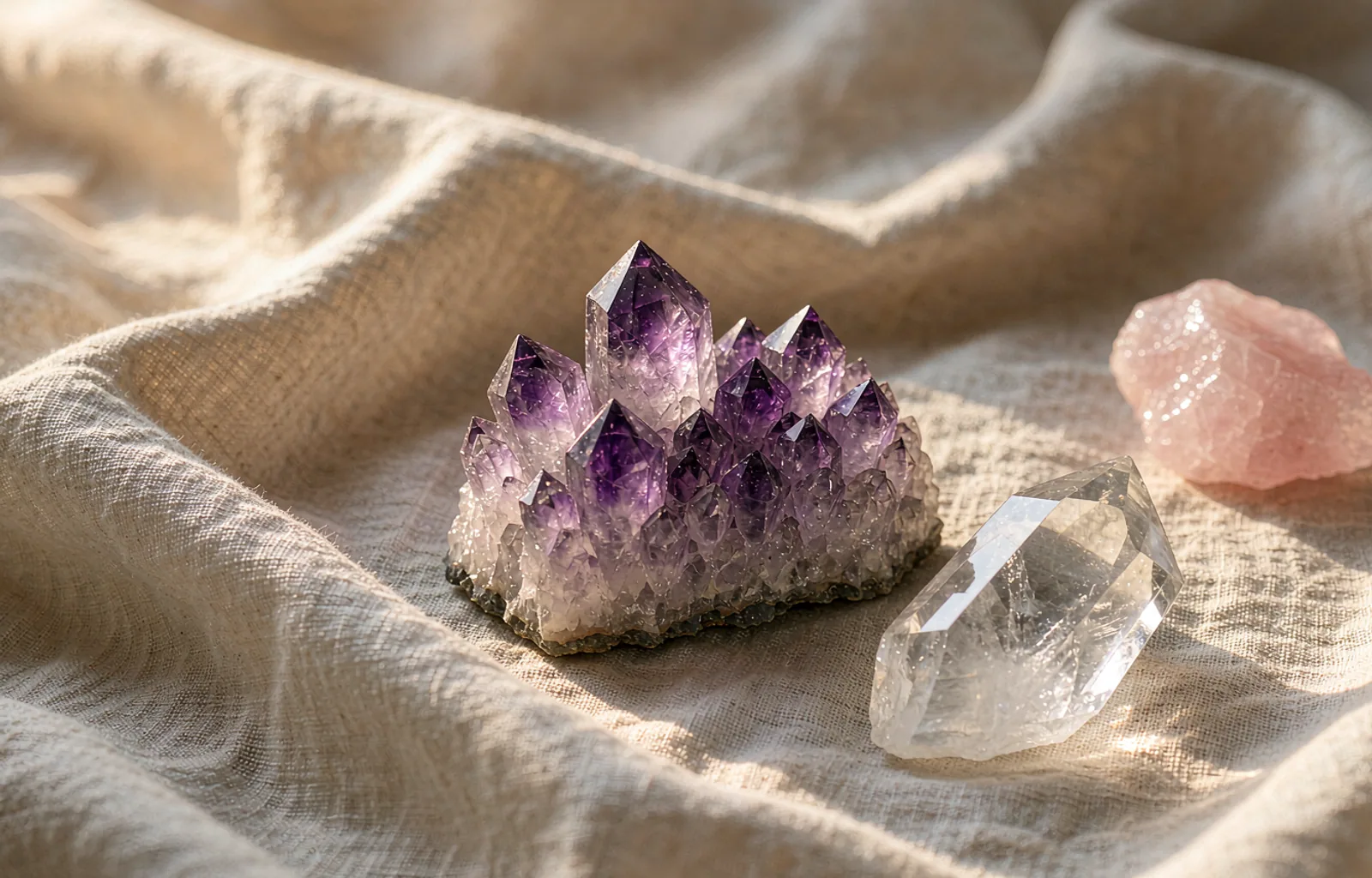
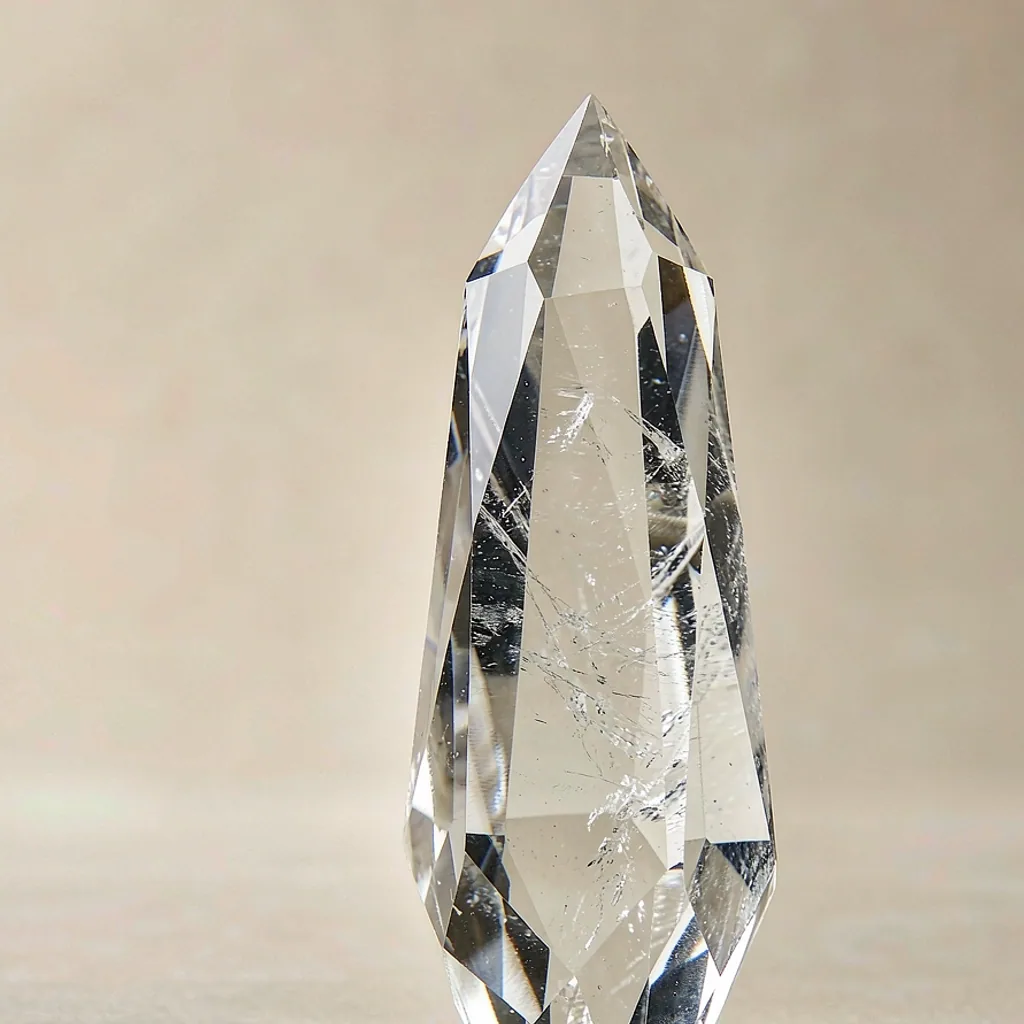
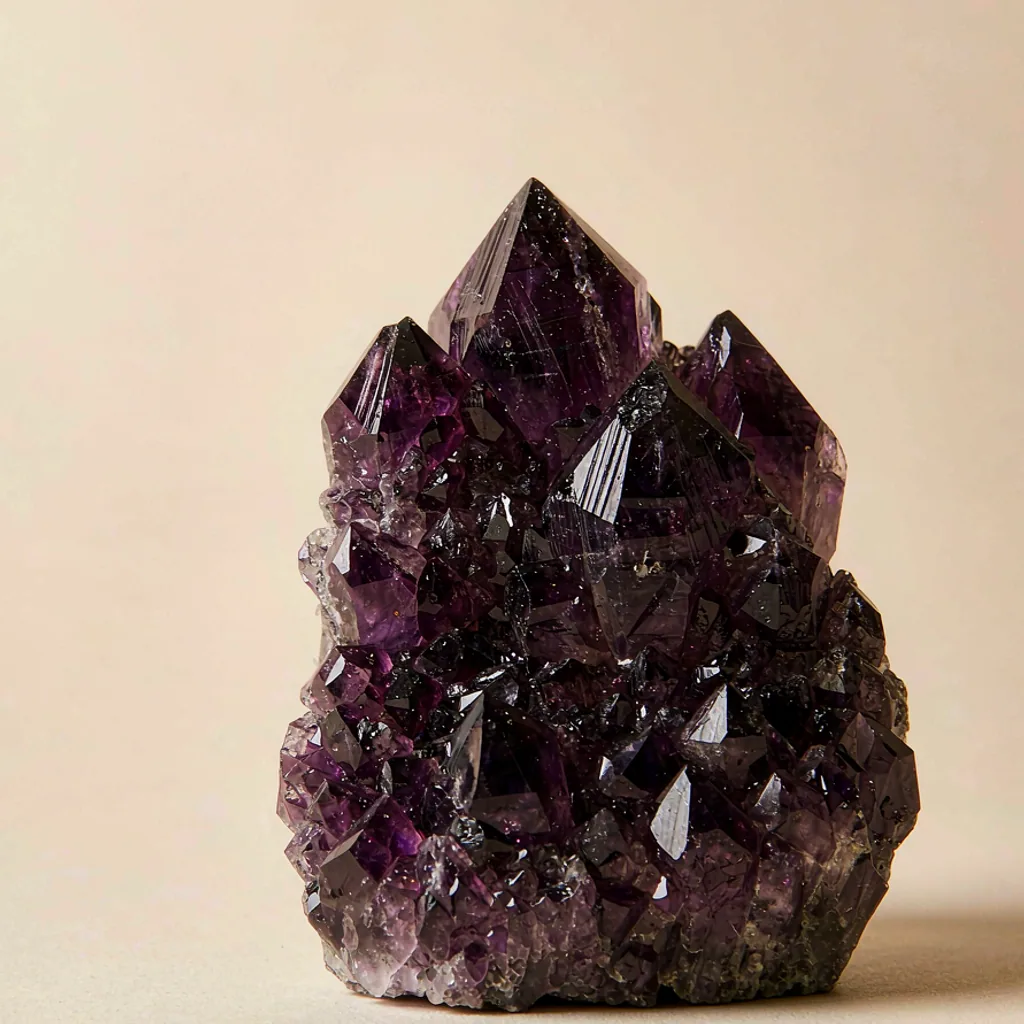
Amethyst in its raw volcanic socket. Quartz cut to a point you can stand on a shelf. Every piece photographed individually, because no two come out of the ground the same.
Browse by form
Four ways into the collection
We keep the catalogue small on purpose. If a piece is not good enough to photograph on its own, it does not go up.
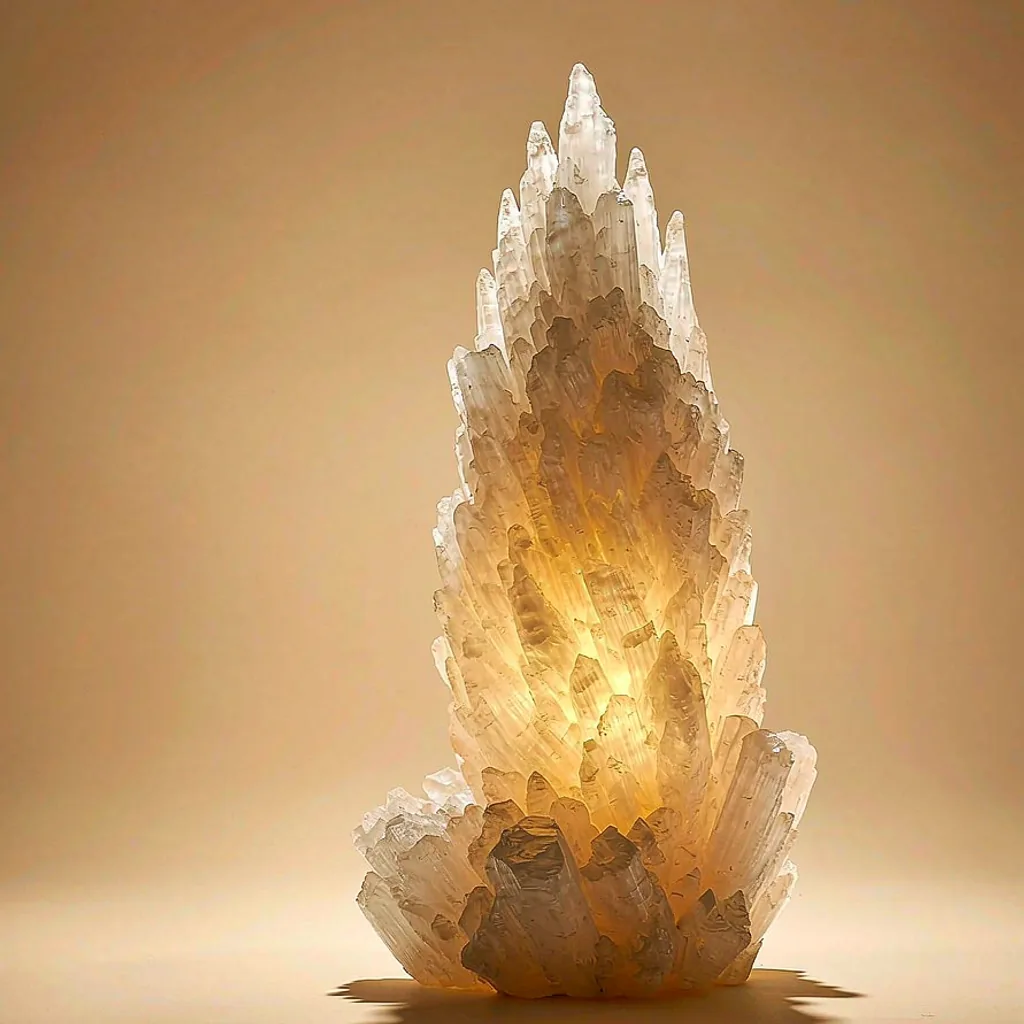
This week
The pieces leaving the studio
Loading the collection…
Why we grade by eye
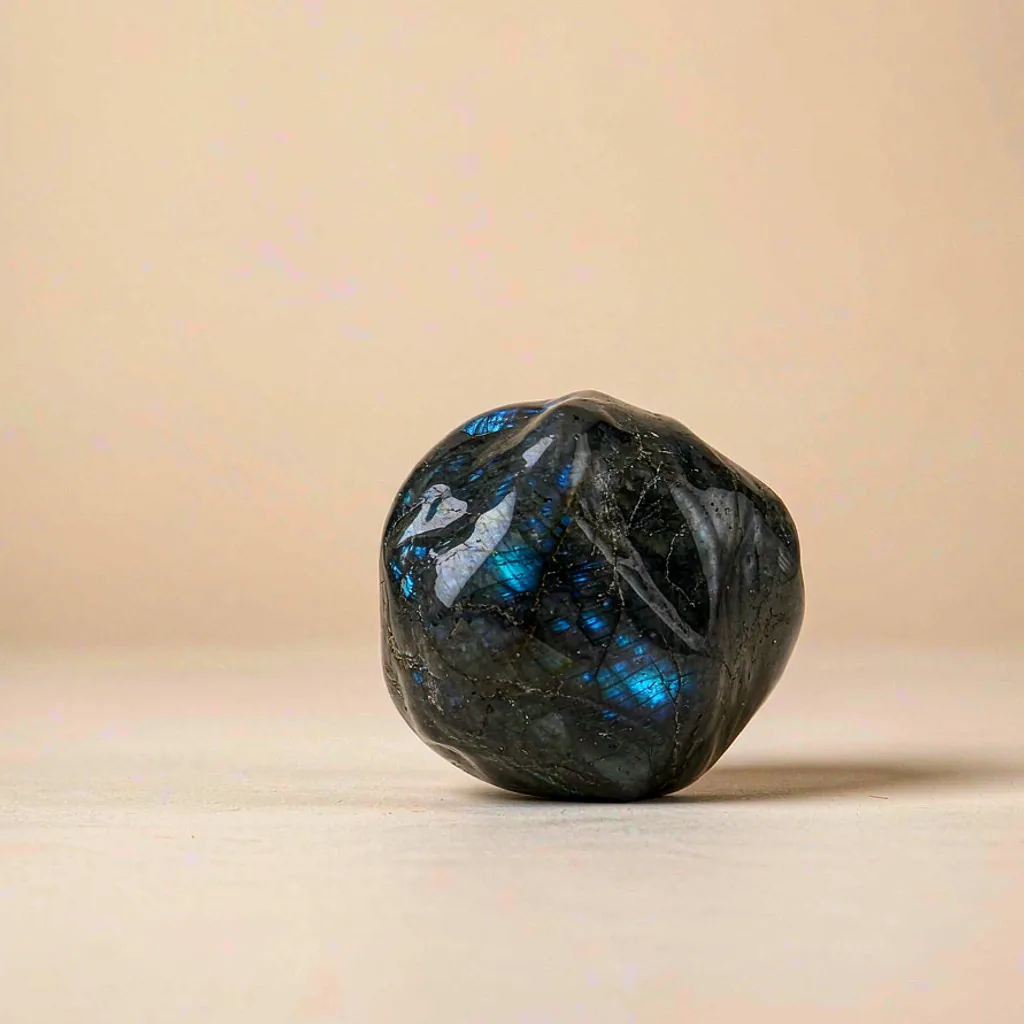
Labradorite only flashes at one angle. Cameras lie about it.
The blue in labradorite is not pigment — it is light bending inside the stone. Point a lamp at it and it is electric. Tilt it ten degrees and it is grey. So we grade every freeform under a directional lamp before it goes up, and we only list the ones that hold a full flash across the face.
The crystal guide
Plain answers, no mysticism required
How to choose a crystal that is actually worth the money
Colour saturation, internal veils, why a $12 tower and a $90 tower are not the same object.
What dissolves selenite, fades amethyst, and chips obsidian
Water, sunlight and hardness, in the order they will ruin your shelf.
Heat-treated, dyed, and lab-grown: what the label should say
Most citrine on the market is heated amethyst. Here is how to tell, and why we disclose it.